
“They’ve made the difference in our museum.”
How Grinnell Historical Museum Keeps Visitors Coming Back with Flexible Exhibit Design

The Challenge of Permanent Exhibits
History museums often rely on generous donors, community support, and dedicated collections to tell important stories. Many exhibits are created around specific donations, local historical events, families, organizations, or collections that deserve a permanent place within the museum.
While these exhibits are valuable and meaningful, permanent displays can create a challenge over time.
Once visitors have seen the same exhibits multiple times, they may feel there’s little reason to return.
For museums, repeat visitation is critical. Returning visitors support memberships, attend special events, bring guests, and help maintain community engagement.
The question becomes:
How can museums preserve important permanent exhibits while still creating fresh experiences for visitors?


Susan Quinn, a recent first-time visitor to Grinnell Historical Museum, reads about Grinnell’s original city plan and historic homes.
Making the Most of a Historic Building
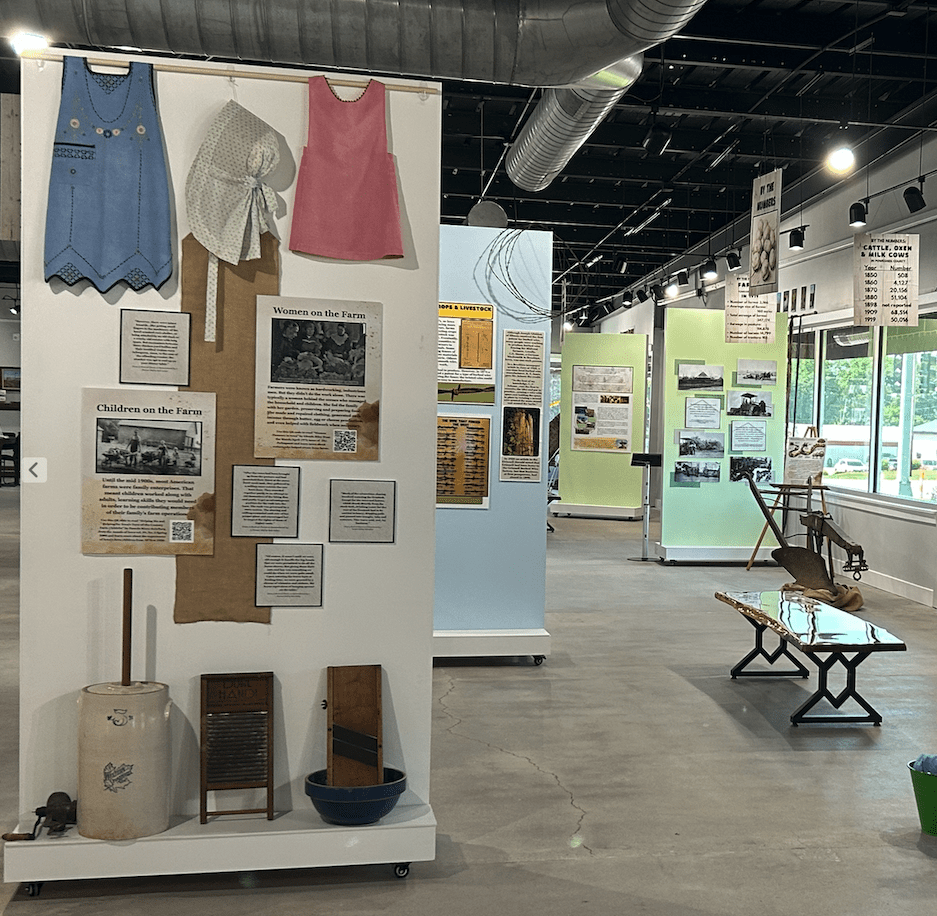
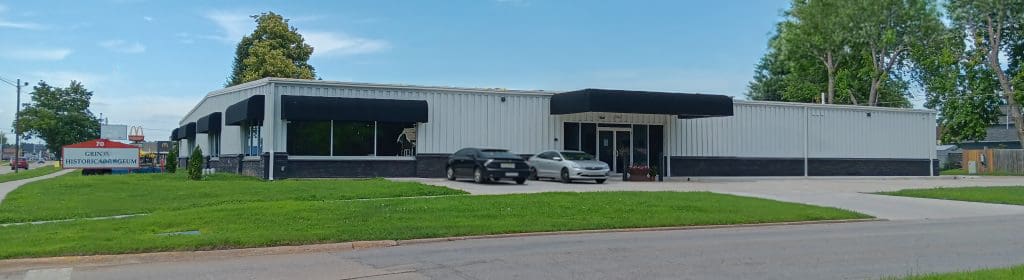
The museum’s renovated furniture store provides generous square footage and high ceilings, creating an ideal environment for flexible exhibits.
Rather than locking the floor plan into a single configuration, mobile walls allow the museum to adapt the space for:
- Rotating exhibits
- Temporary exhibits
- Traveling exhibits
- Community displays
- Educational programming
- Fundraising events
- Special celebrations
- New acquisitions
The result is a museum that feels different with each visit.
A Museum Designed for the Future
The Grinnell Historical Museum demonstrates how historic preservation and modern exhibit design can work together.
By combining a thoughtfully renovated historic building with adaptable exhibit infrastructure, the museum has created a space that honors the past while remaining ready for the future.
As museums across the country look for ways to engage visitors, increase attendance, and make the most of their facilities, flexibility is becoming one of the most valuable tools available.
Because when exhibits can change, museums stay alive.